Meet Our Flagship Projects: Pan-African DMPK Centre of Excellence at the African Institute of Biomedical Science and Technology (AiBST)
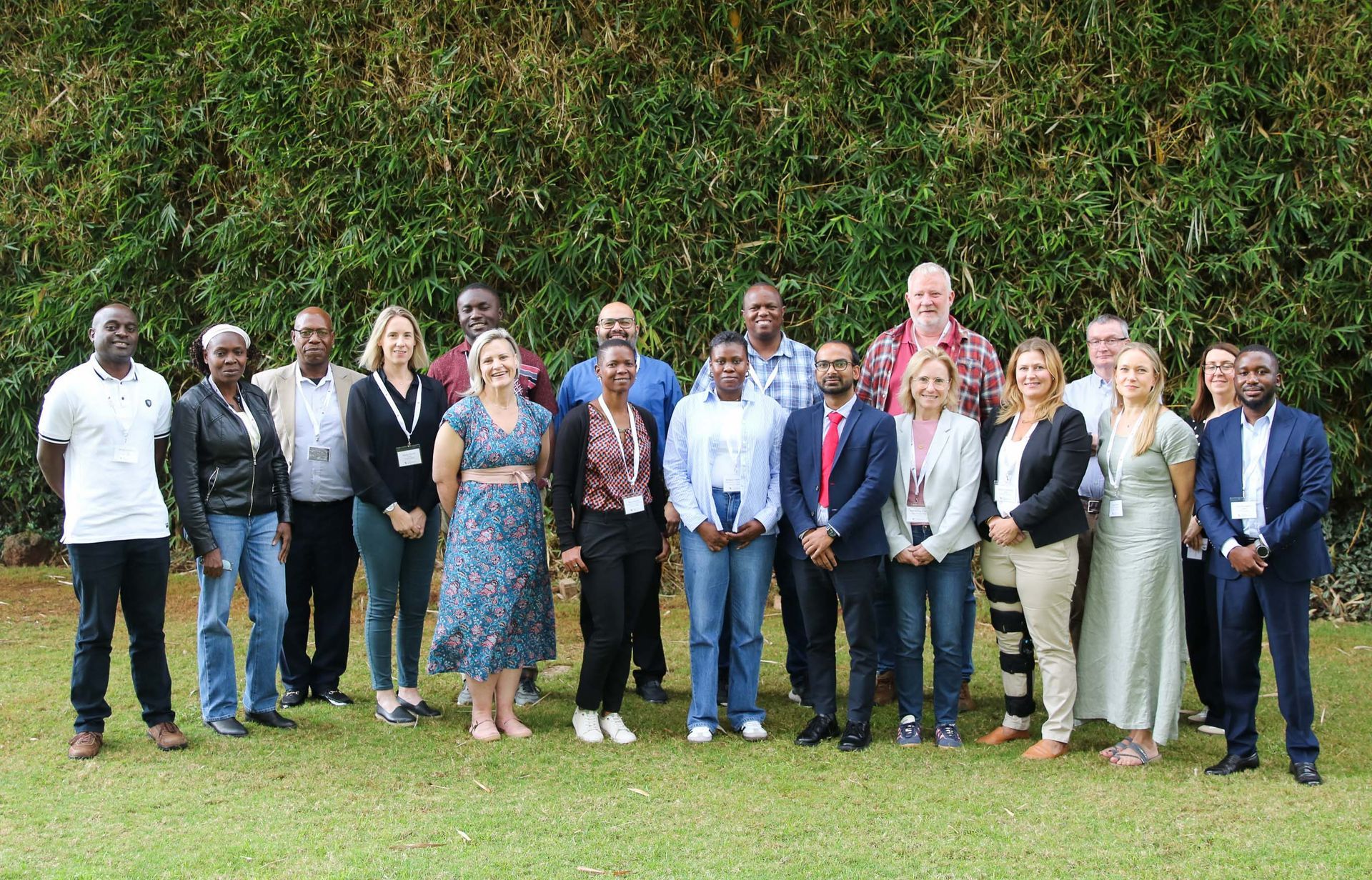
Since its inception in 2023, the Grand Challenges African Drug Discovery Accelerator (GC ADDA) has worked to build a sustainable, Africa-led drug discovery ecosystem by developing and retaining scientific talent, strengthening research capacity, and fostering globally connected centres of excellence across the continent.
While achieving this mission requires many interconnected activities, our four flagship projects sit at the heart of the network. Bringing together researchers from across Africa, these projects are tackling critical scientific challenges while helping to build the skills, infrastructure, and collaborations needed to accelerate drug discovery for unmet medical needs.
To showcase the people and science driving this work, we are launching a new blog series that takes a closer look at each flagship project through an informal Q&A with its leadership team.
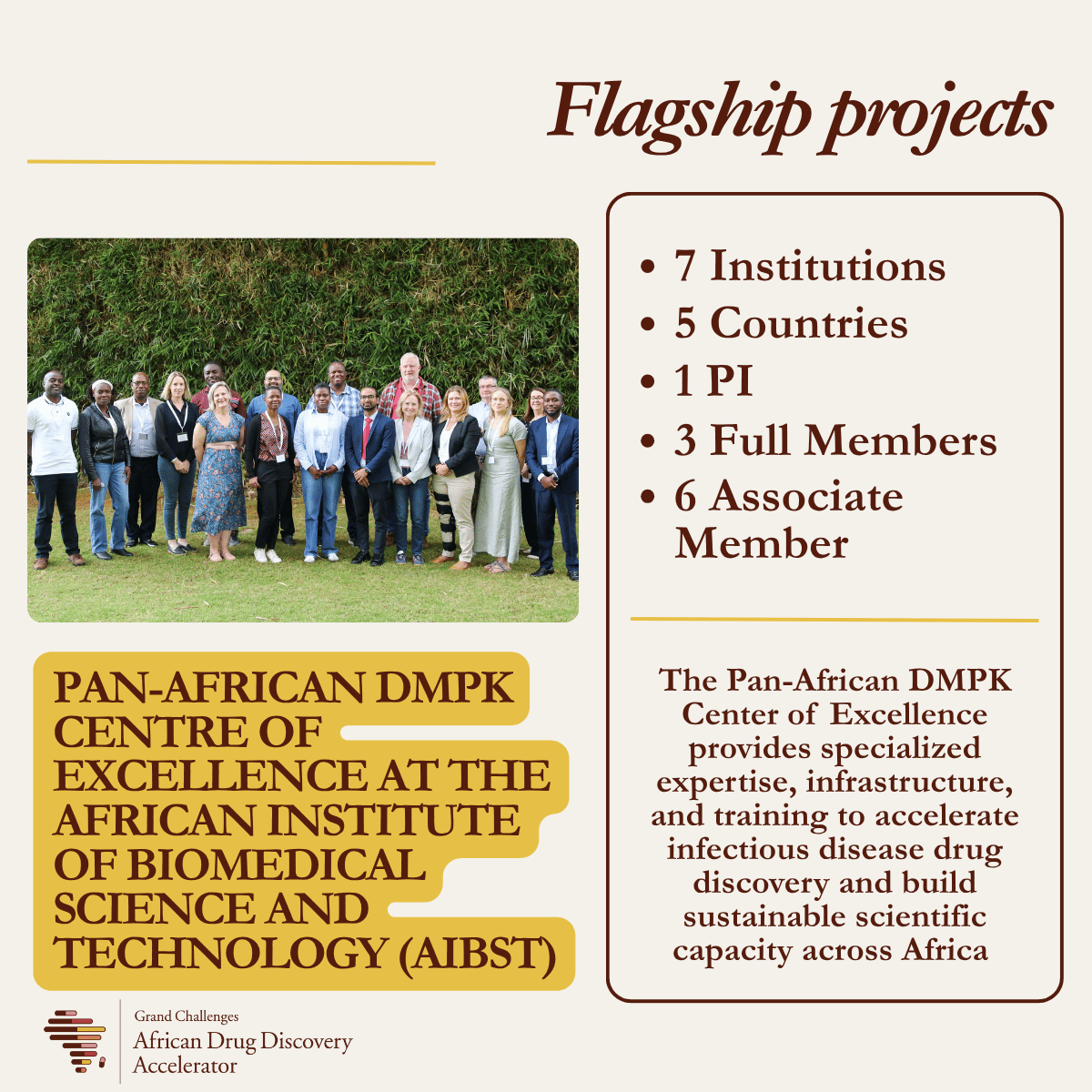
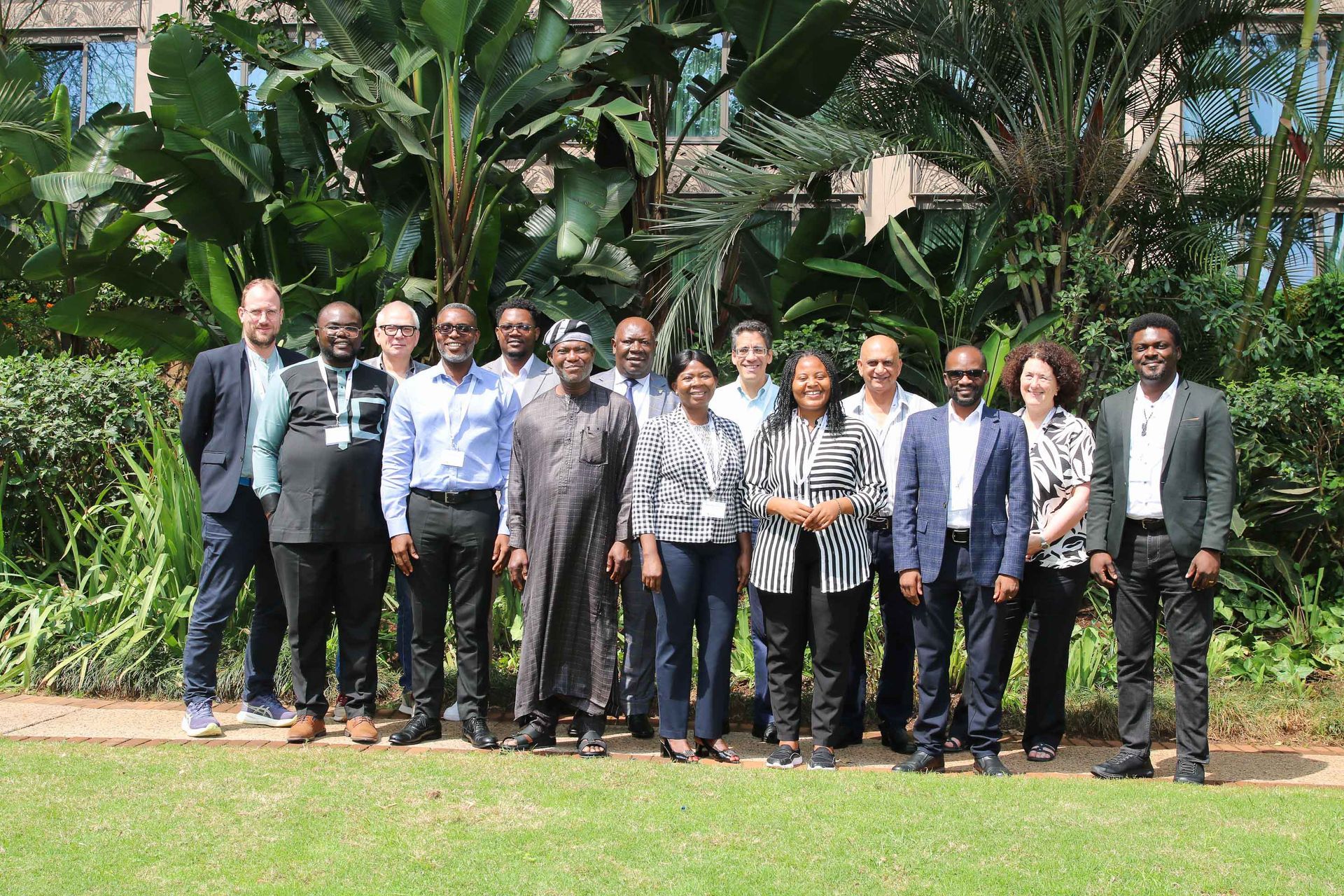
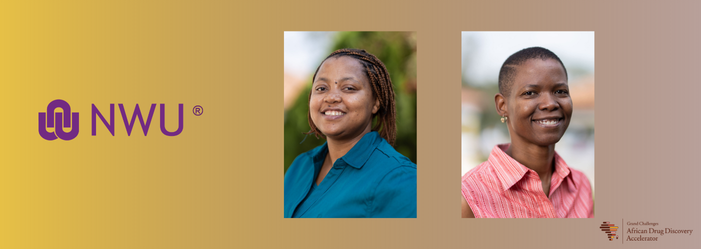
In this edition, we find out more about the Pan-African DMPK Centre of Excellence at the African Institute of Biomedical Science and Technology (AiBST). This flagship project is led by Prof Collen Masimirembwa, Founder, President and Chief Scientific Officer at AiBST, in collaboration with GC ADDA Full Members Dr Janine Scholefield (Council for Scientific and Industrial Research) and Prof Rose Hayeshi (North-West University).
Share a concise overview of your project and the challenge/s it aims to address.
The Pan-African DMPK Centre of Excellence established at AiBST in Zimbabwe seeks to strengthen Africa’s ability to support the discovery and development of new medicines, particularly for infectious diseases such as malaria and tuberculosis. The Centre provides specialist testing and advice to help researchers understand whether potential medicines are likely to work safely and effectively in the human body.
The project addresses several key challenges facing DMPK capacity in Africa, including limited infrastructure and a shortage of trained scientists. Existing expertise is also underused because there are relatively few African drug-discovery programmes, limited awareness and funding for DMPK services, and insufficient visibility of African capabilities.
In practical terms, the project will build a strong team of African DMPK scientists, establish reliable laboratory tests, support malaria and TB drug-discovery programmes, train DMPK scientists, and connect DMPK researchers through an African network. This will help African researchers make better decisions about which potential medicines should move forward, while building long-term African capacity to contribute to drug discovery.
Why is this kind of research crucial, particularly in an African context?
Developing a new medicine is not only about finding a drug that can kill a disease-causing organism. Scientists also need to understand whether the drug will be absorbed properly, how long it will remain in the body, how it is broken down, and whether it could cause harmful effects. DMPK research provides this information early, helping researchers identify promising medicines and avoid investing time and money in medicines that are unlikely to work safely.
How has the project contributed to strengthening the capacity for drug discovery research within Africa so far?
The project has already made a significant contribution to strengthening drug discovery capacity in Africa by building skills, strengthening laboratories, connecting researchers, and providing practical support to African drug-discovery programmes.
Scientists have received advanced training through international courses, scientific visits and hands-on training. For example, experts from the University of Dundee trained scientists at AiBST in HPLC and LC-MS, while local scientists were also trained to become trainers themselves.
The project has helped establish and standardise important laboratory tests at AiBST, KNUST and H3D. Tests for properties such as how well a potential medicine dissolves and how quickly it is broken down have been validated and harmonised, meaning researchers in different African laboratories can produce results that can be reliably compared.
DMPK Africa has been established to bring researchers from different African institutions together, share knowledge and expertise, and improve access to specialised resources. The network is also building links with international organisations such as DMDG and ISSX.
The Centre is not only developing capacity in theory; its scientists are applying these skills directly to malaria and TB research. For the malaria programme, laboratory tests have been used to assess project compounds, while specialised testing has been developed to support the challenging BacPROTAC compounds being investigated for TB.
The project has also introduced apprenticeship and “train-the-trainer” approaches, allowing younger African scientists to develop practical skills while learning from experienced researchers.
In summary, the project is helping Africa build its own drug-discovery capability rather than depending entirely on expertise and facilities outside the continent. It is creating the people, laboratory systems, partnerships and practical experience needed for African scientists to increasingly discover, test and develop medicines themselves.
What are the benefits of working within a network such as GC ADDA particularly for advancing drug discovery on the continent?
Working within a network such as GC ADDA is important because drug discovery is too complex for one institution or one country to do alone. A network allows African researchers to combine their skills, equipment, knowledge and resources rather than each institution trying to build everything from scratch. From a practical perspective, the network provides several important benefits. A network makes it easier for researchers to find and work with someone who has the specific knowledge needed to solve a problem.
Advanced scientific equipment and specialised laboratory tests can be very expensive. Through a network, researchers can gain access to equipment, specialised tests, biological materials and other resources available at partner institutions instead of every institution having to purchase everything itself.
A network creates opportunities for scientists to learn from one another through training, mentorship and movement between institutions. This helps develop a larger pool of skilled African scientists and reduces dependence on expertise from outside the continent.
Diseases do not respect national borders, and African drug-discovery programmes can benefit from researchers working across different countries. A coordinated network makes it easier to identify gaps, agree on priorities and work together on solutions.
A network can provide specialised support at different stages of drug discovery. In the GC ADDA programme, the DMPK network specifically provides support to the malaria and TB flagship projects, including helping researchers interpret results and decide which compounds should be tested or developed further.
In summary, a network allows African researchers to pool their strengths. Instead of one laboratory having to have every scientist, piece of equipment and skill needed to discover a medicine, different institutions can contribute what they do best. This makes drug discovery faster, more affordable, more collaborative and more sustainable, while helping build an African drug-discovery ecosystem that can increasingly develop solutions from within the continent.
What would you like to see from African governments and institutions to better support drug discovery and innovation on the continent?
The Pan-African DMPK Centre of Excellence would like to see African governments and institutions make drug discovery a long-term priority, rather than something that depends mainly on short-term external funding. The experience of the Centre shows that Africa has talented scientists and valuable research capabilities, but these need sustained support to grow and remain in Africa.
In practical terms, the centre would like to see:
- More long-term funding for research: Scientists need reliable funding to build laboratories, maintain equipment, run experiments and develop new ideas. Short-term funding can make it difficult to retain skilled people and keep laboratory capabilities running consistently.
- Investment in people: Governments and universities should support the training and retention of African scientists, particularly in specialised areas where there are very few experts. Career opportunities should make it possible for highly trained scientists to build their careers in Africa rather than feeling they have to leave the continent.
- Better research infrastructure: Drug discovery requires specialised equipment, reliable electricity, laboratory facilities and access to research materials. Even something as basic as delays at customs in receiving laboratory materials can disrupt research, while unreliable power can put valuable biological resources at risk.
- Support for African research networks: Institutions should be encouraged to share equipment, expertise and knowledge rather than working in isolation. Strong networks can make limited resources go further and allow researchers in different countries to contribute their particular strengths.
- More support for African-led innovation: African institutions should be given opportunities to develop and lead research programmes addressing diseases that are important to the continent, including malaria and TB. This includes supporting the specialised expertise needed to take promising discoveries further.
- Policies that make research easier: Governments can also help by making it easier to import essential research materials and equipment, reducing unnecessary administrative delays and creating an environment where scientific institutions can operate effectively.