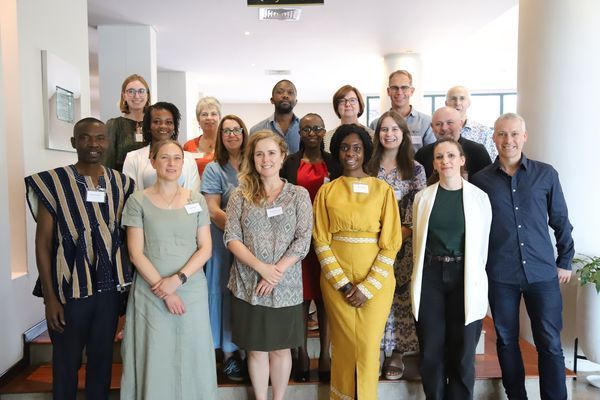
In recent years, Africa’s drug discovery ecosystem has grown rapidly, with research institutions across the continent working together to identify new small-molecule compounds for infectious diseases that disproportionately affect African communities.
GC ADDA’s mission to build a sustainable, Africa-led network that accelerates drug discovery for unmet medical needs is one outcome of this growing momentum. Our sibling organisation, RAFIKI, is another.
RAFIKI: Building connections between Africa and Europe
RAFIKI, short for the EU-Africa Research Infrastructure Alliance to Foster Infectious Disease Research, Knowledge Sharing and Innovation, takes its name from the Swahili word for “friend”. Launched in January 2025 under the European Union’s Horizon Europe programme, RAFIKI brings together key players from the African and European drug discovery communities.
The initiative aims to strengthen drug discovery capacity in sub-Saharan Africa while creating new opportunities for collaboration, knowledge sharing and innovation between Africa and Europe.
How GC ADDA and RAFIKI support each other
GC ADDA and RAFIKI are complementary initiatives. GC ADDA builds connections between African scientists and institutions through collaborative flagship projects, while RAFIKI provides opportunities to strengthen the infrastructure, skills and expertise needed to advance drug discovery.
This is particularly important because diseases are shaped by local biological, environmental and social contexts. Empowering African researchers to develop solutions close to the communities they serve is therefore critical to addressing local health needs.
Yet researchers across the continent continue to face barriers to innovation, including limited access to specialised infrastructure, training, data and expertise. Collaboration and capacity strengthening can help bridge these gaps.
What does this look like in action?
RAFIKI provides opportunities for early-career and established researchers across sub-Saharan Africa to expand their knowledge and skills in drug discovery, while strengthening connections between African and European research communities.
Its activities include:
- Global Health Mentorship Programme
- Capacity Strengthening Fellowships
- Drug Discovery Workshops and Online Training
- Sample Libraries and Data-Sharing Capabilities
- Community Building and Outreach
- Long-Term Sustainability
Together, GC ADDA and RAFIKI contribute to a stronger, more connected drug discovery ecosystem, helping to build the expertise, infrastructure and partnerships needed to develop new treatments for diseases affecting communities across Africa.
Who is part of the RAFIKI network?
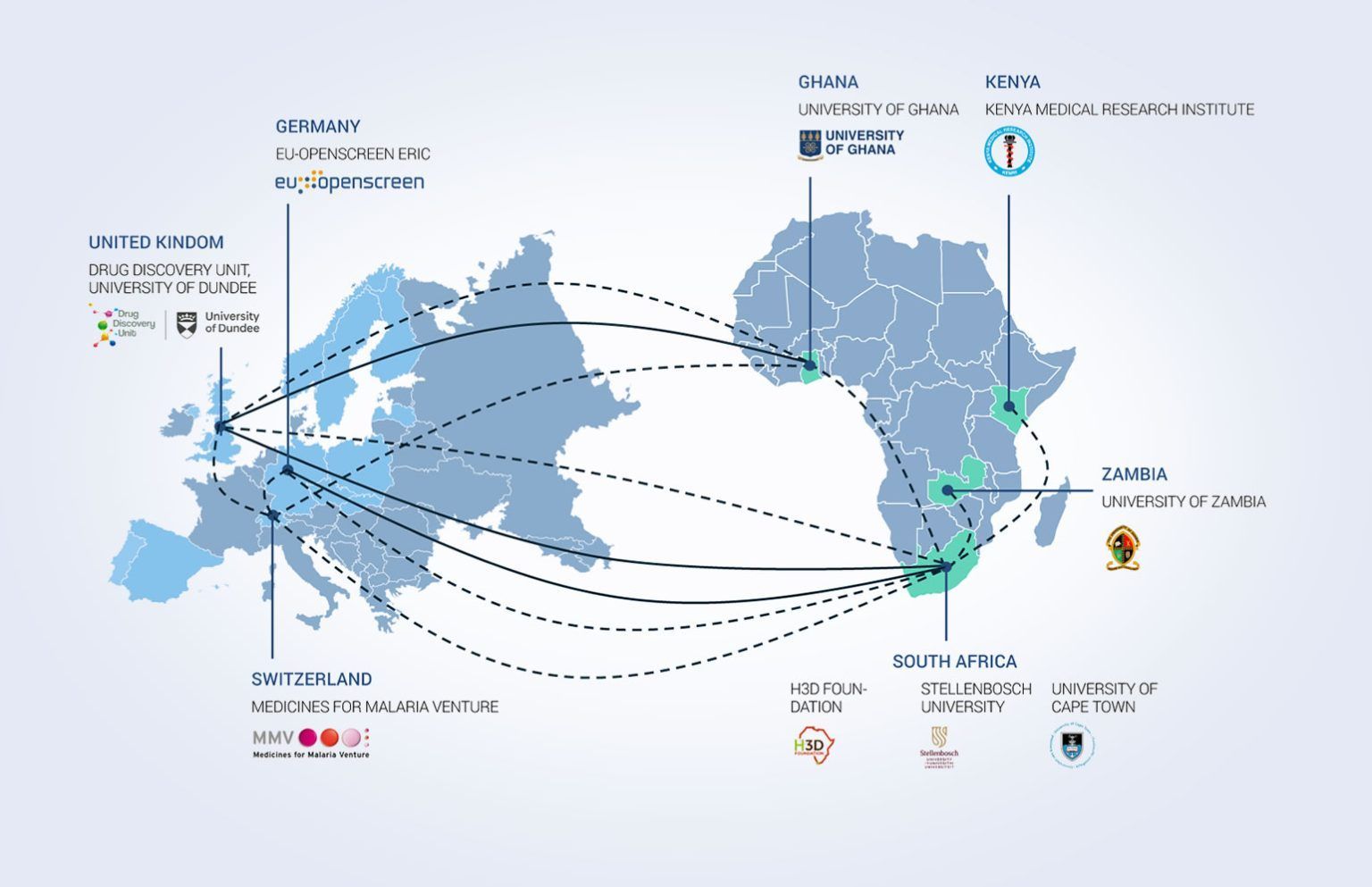
The RAFIKI consortium is made up of the following nine institutions, of which two are also GC ADDA Affiliate Institutions and six are GC ADDA Partner Institutions:
- Drug Discovery Unit, University of Dundee, United Kingdom (GC ADDA Affiliate Institution)
- EU-OPENSCREEN ERIC, Germany
- H3D Foundation, South Africa (GC ADDA Partner Institution)
- Kenya Medical Research Institute, Kenya (GC ADDA Partner Institution)
- Medicines for Malaria Venture, Switzerland (GC ADDA Affiliate Institution)
- University of Cape Town (GC ADDA Partner Institution)
- University of Ghana (GC ADDA Partner Institution)
- University of Stellenbosch (GC ADDA Partner Institution)
- University of Zambia (GC ADDA Partner Institution)
Visit the RAFIKI website for more information