Meet Our Flagship Projects: African Drug Discovery Natural Products Box
Since its inception in 2023, the Grand Challenges African Drug Discovery Accelerator (GC ADDA) has worked to build a sustainable, Africa-led drug discovery ecosystem by developing and retaining scientific talent, strengthening research capacity, and fostering globally connected centres of excellence across the continent.
While achieving this mission requires many interconnected activities, our four flagship projects sit at the heart of the network. Bringing together researchers from across Africa, these projects are tackling critical scientific challenges while helping to build the skills, infrastructure, and collaborations needed to accelerate drug discovery for unmet medical needs.
To showcase the people and science driving this work, we are launching a new blog series that takes a closer look at each flagship project through an informal Q&A with its leadership team.
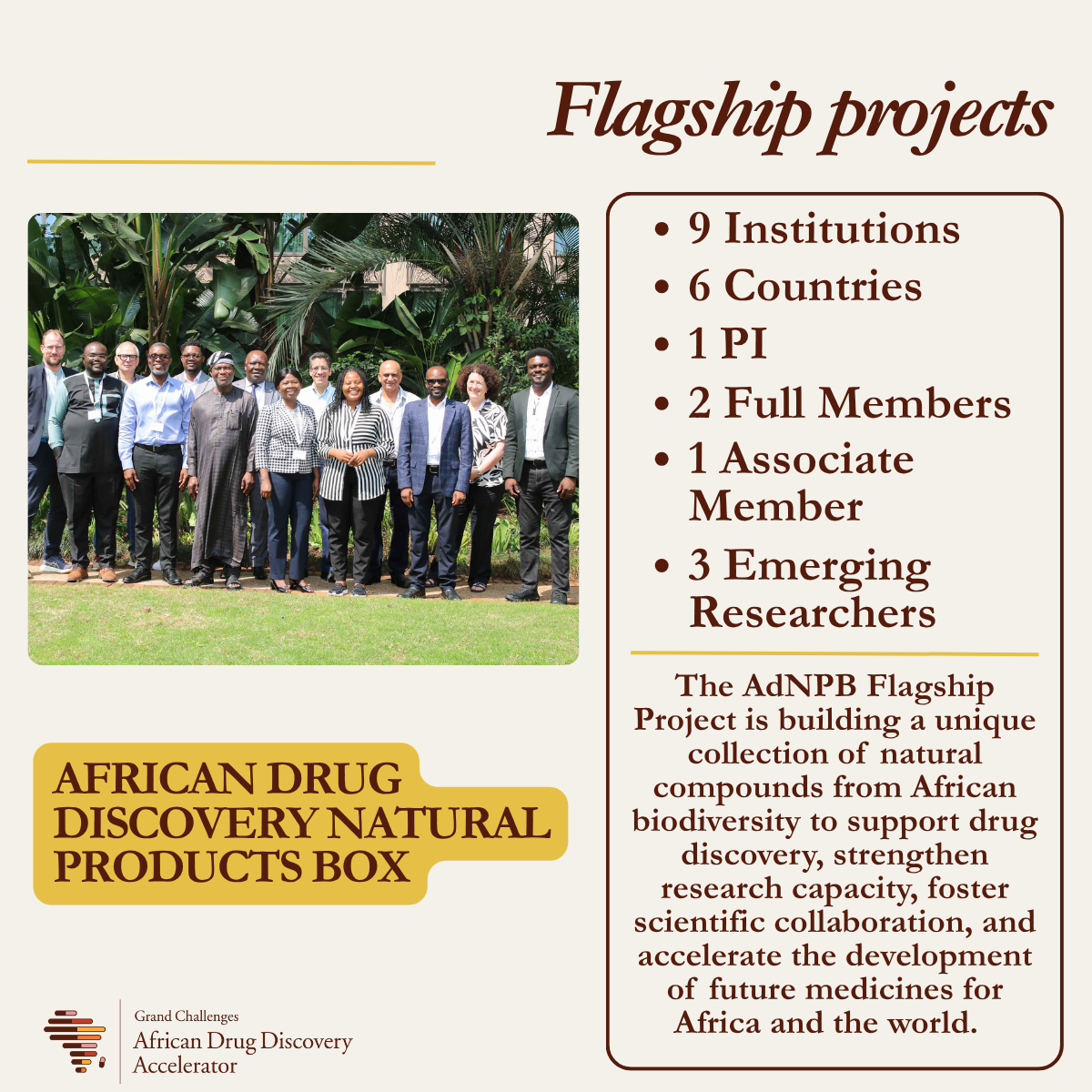
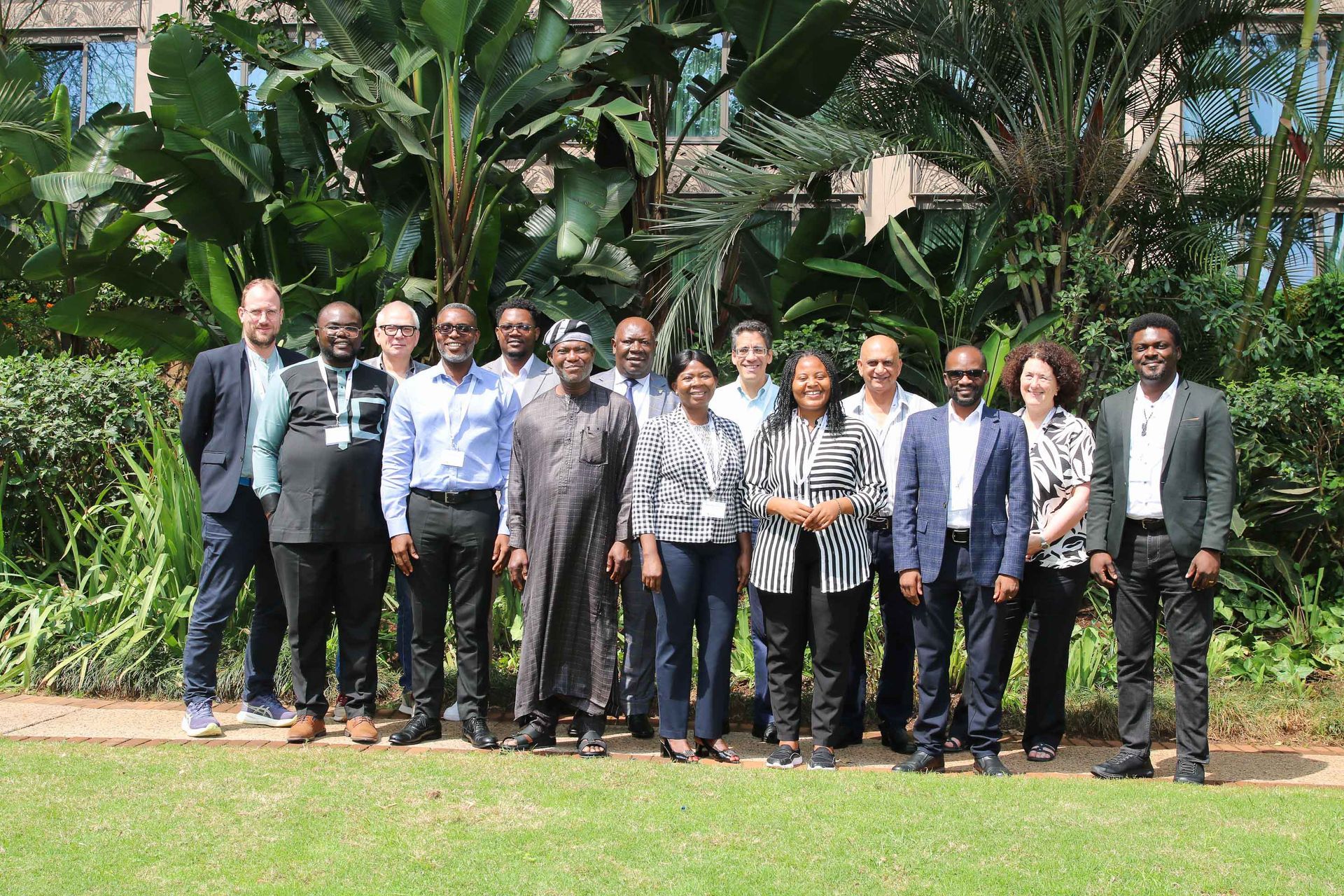
We begin with the African-derived Natural Products Box (AdNPB), based at the University of Buea in Cameroon and led by Principal Investigator Prof Fidele Ntie-Kang.
Share a concise overview of your project and the challenge/s it aims to address.
The AdNPB (African Drug Discovery Natural Products Box) Flagship Project is creating a carefully selected collection of natural compounds obtained from African plants and other natural sources to support the discovery of new medicines. Scientists reviewed and validated 300 compounds, assessing their chemical diversity and suitability for further development. From these, 100 high-quality compounds were selected for inclusion in the AdNPB collection.
One of the major challenges facing drug discovery research in Africa is limited access to advanced scientific equipment needed to fully identify and evaluate promising compounds. To address this, the project works closely with partner laboratories that have specialized facilities. These collaborations allow African researchers to access advanced technologies, strengthen scientific partnerships, and build local research capacity while contributing to global drug discovery efforts.
Why is this kind of research crucial, particularly in an African context?
Africa is home to an extraordinary diversity of plants and other natural resources that could provide the foundation for future medicines. However, much of this potential remains underexplored.
Research projects such as the AdNPB project helps African scientists identify, study, and test promising natural substances locally rather than relying entirely on discoveries made elsewhere. It also helps develop scientific expertise, strengthens research institutions, and creates opportunities for African researchers to contribute directly to solutions for diseases that affect populations on the continent and beyond.
By investing in the study of Africa’s natural resources, we can transform biodiversity into knowledge, innovation, and potentially life-saving medicines.
How has the project contributed to strengthening the capacity for drug discovery research within Africa so far?
The project is helping to build drug discovery capacity by training researchers in the isolation, characterisation, and biological evaluation of purified natural compounds from plants and other sources.
It has established a curated collection of well-characterised compounds, implemented quality-control procedures using available laboratory tools, and created pathways for sharing samples with partner laboratories for advanced biological screening. Through these activities, researchers gain valuable practical experience while strengthening networks that support collaborative science across Africa and internationally.
What are the benefits of working within a network such as GC ADDA, particularly for advancing drug discovery on the continent?
The Grand Challenges African Drug Discovery Accelerator (GC ADDA) provides an important platform for collaboration, training, and knowledge sharing among African scientists.
Through GC ADDA, researchers gain access to shared digital tools that improve research management and data handling. The network also offers training opportunities in laboratory techniques, project management, and drug discovery practices. Workshops, internships, mentorship programmes, and collaborative projects help strengthen skills and foster lasting scientific partnerships across the continent.
For example, members of our team have benefited from the H3D Global Health Mentorship Programme, gaining valuable experience and exposure to international best practices in drug discovery research.
What would you like to see from African governments and institutions to better support drug discovery and innovation on the continent?
To accelerate drug discovery and innovation, African governments and institutions should invest in modern research infrastructure and provide sustained long-term funding for scientific research.
There is also a need to train more scientists through hands-on programmes that develop practical drug discovery skills. Improving research data management systems, promoting collaboration among African institutions, and strengthening partnerships with global research organizations would further enhance scientific productivity.
Importantly, universities should introduce integrated drug discovery training programmes at Master's and PhD levels to prepare the next generation of researchers with the multidisciplinary skills needed to transform scientific discoveries into health solutions that benefit African populations.